Chemical conversion coatings on aluminum and aluminum alloys.
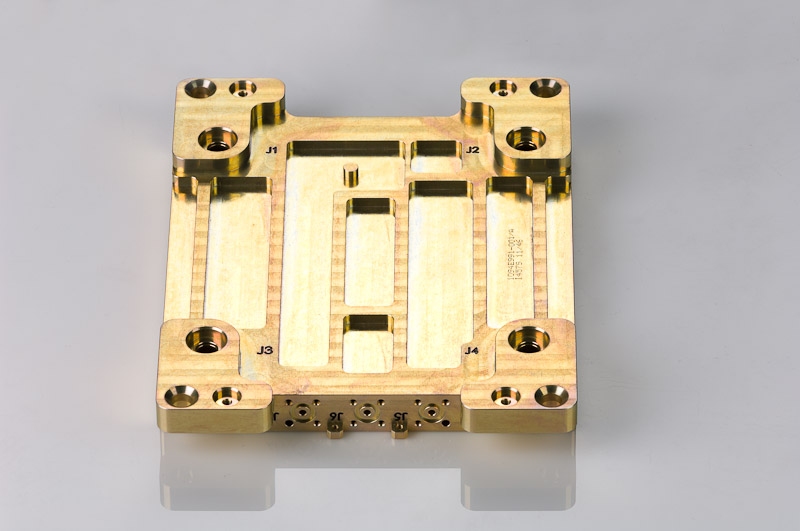
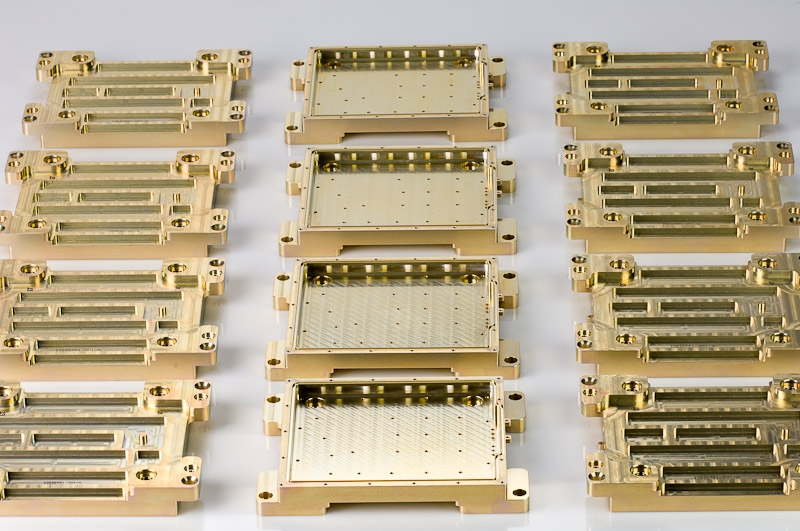
Alodine - chromatic passivation for aluminum is a chemical process performed at GREEN COAT under the MIL-DTL-5541 standard. The process is divided into two stages:
Type I –Compositions containing hexavalent chromium.
Type II-Compositions containing no hexavalent chromium.
CLASS 1A – for maximum protection against corrosion, painted or unpainted
CLASS 3 – for protection against corrosion where low electrical resistance is required
Yellow passivation provides an excellent corrosion resistant layer (168 hours in a salt spray chamber according to the ASTM-B-117 standard) and serves as a preparatory layer before painting.
Colors range from light yellow to brown. Different shades in the same product are natural and within standard.
Transparent passivation is almost colorless and provides an electrically conductive layer with electrical resistance up to 500 microOhm. Corrosion resistant for up to 168 hours.
Non-Hexavalent Chromium Passivation for aluminum
Following the RoHS directive banning the use of hazardous materials such as lead, cadmium, mercury, Hexavalent Chromium etc., in passivation processes, different alternatives were developed, including the non-hexavalent chromium passivation for aluminum, governed by the ASTM B921 standard.
Class 1: For maximal corrosion resistance. Mostly used as a finishing layer without additional paint.
Class 2: For mild corrosive conditions. Mostly used as a base layer for paint, where the finished
products has some paint-free areas.
Class 3: Decorative coat for light corrosion resistance with good electrical conductivity.
Class 4: Mostly used as a base layer for paint where the corrosive resistance requirement includes
the paint layer.
This passivation process meets the corrosive resistance and electrical conductivity requirements defined in the MIL-DTL-5541 standard.


